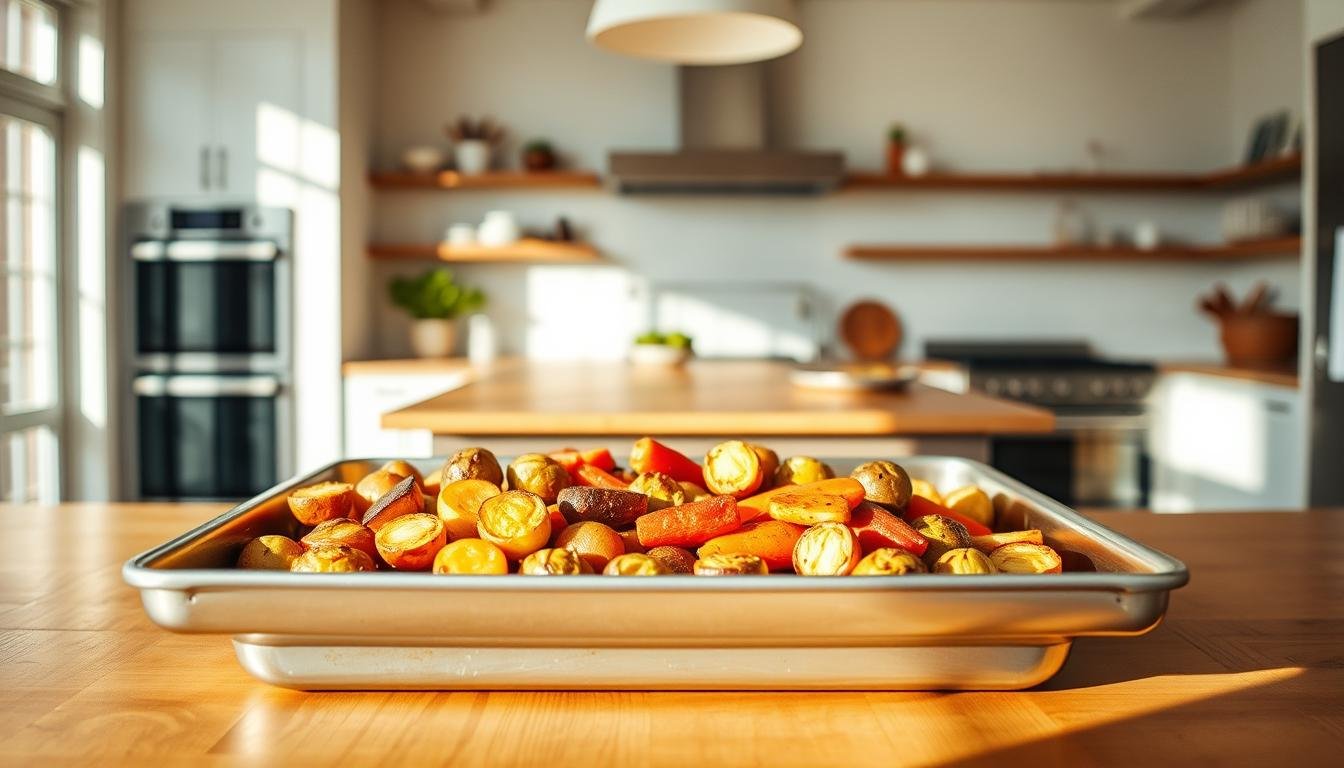
In the whirlwind of modern life, where every minute is a commodity, the thought of preparing a delicious, healthy dinner can often feel overwhelming. The allure of takeout or pre-packaged meals beckons, promising convenience but often falling short on nutrition or flavor. But what if there was a culinary secret, a simple kitchen workhorse that could transform your weeknights from frantic to fantastic? Enter the sheet pan dinner – the ultimate answer to the age-old question, "What's for dinner?" that doesn't demand hours of prep or a mountain of dishes.
The concept is deceptively simple: toss your protein, vegetables, and seasonings onto a single baking sheet, slide it into the oven, and let the magic happen. No multiple pots, no constant stirring, just hands-off cooking that delivers incredibly flavorful results. It’s a trick that seasoned home cooks, like Ree Drummond, swear by, noting, "Once I discovered that you could throw everything on a sheet pan and cook the whole meal together, I was hooked for life." This isn't just about convenience; it's about reclaiming your evenings, enjoying wholesome meals, and savoring the simple pleasure of cooking without the stress.
The Sheet Pan Revolution: Why It’s Your Weeknight Hero
The appeal of the easy sheet pan dinner extends far beyond its simplicity. It’s a philosophy of cooking that perfectly aligns with the demands of busy lifestyles. Here's why this single piece of kitchen equipment has become a culinary cornerstone for so many:
- Minimal Prep, Maximum Flavor: The beauty of a sheet pan meal lies in its streamlined approach. Chopping ingredients is often the most hands-on part. Once everything is on the pan, coated in your chosen seasonings and a drizzle of oil, the oven takes over. Roasting concentrates flavors, creating a depth and caramelization that’s hard to achieve with other cooking methods. Vegetables become tender and sweet, while proteins crisp up beautifully, melding their flavors together for a harmonious meal.
- Fewer Dishes, Less Stress: This is arguably the biggest selling point. Imagine a delicious, home-cooked meal followed by cleaning just *one* pan (especially if you use parchment paper or foil!). This dramatically cuts down on cleanup time, freeing you up to spend more time with family, pursue a hobby, or simply relax. It truly is a one-pan wonder that reduces kitchen chaos, making post-dinner duties a breeze.
- Unbeatable Flexibility: Sheet pan dinners are incredibly adaptable. Have a fridge full of disparate vegetables? Throw them on the pan! Trying to use up a specific protein? It likely works. From cozy comfort foods to fresh, vibrant meals, the possibilities are endless. This flexibility makes meal planning a breeze and reduces food waste, as you can easily use up whatever ingredients you have on hand, adapting to various dietary needs and preferences.
- Hands-Off Cooking: Once the sheet pan is in the oven, your work is largely done until it’s time to eat. This frees you from standing over a stove, constantly stirring or flipping. It’s the ultimate form of passive cooking, allowing you to multitask, help kids with homework, or simply unwind while dinner practically makes itself.
The Sheet Pan Secret Unveiled: Mastering Ingredients and Techniques
While the concept of a sheet pan dinner is straightforward, there are a few "secrets" to unlocking its full potential and ensuring every meal is a triumph. It’s not just about throwing ingredients together; it’s about understanding how different components cook and how to optimize their interaction on the pan.
Choosing Your Cast: Complementary Ingredients
The beauty of the sheet pan lies in its versatility. You can create almost any type of meal, but a little thoughtful pairing goes a long way:
- Proteins: Chicken (thighs, breasts, drumsticks), fish (salmon, cod, tilapia), pork (tenderloin, sausages), beef (steak strips, meatballs), shrimp, and even plant-based options like tofu or tempeh are all excellent choices. Consider their cooking times; thinner cuts and smaller pieces cook faster.
- Vegetables: This is where you can truly shine!
- Harder Vegetables: Root vegetables like potatoes, sweet potatoes, carrots, parsnips, and hardy cruciferous vegetables like broccoli, cauliflower, Brussels sprouts, and bell peppers are perfect. They can withstand longer roasting times and develop fantastic caramelization.
- Softer Vegetables: Quicker-cooking options like asparagus, cherry tomatoes, zucchini, or spinach can be added halfway through the cooking process to prevent them from becoming mushy.
- Flavor Boosters: Don't forget the aromatics! Onions, garlic, ginger, fresh herbs (rosemary, thyme, oregano), and citrus slices (lemon, lime) infuse your meal with incredible aroma and taste.
The Art of the Toss and Seasoning
Getting your ingredients properly coated is crucial for even cooking and maximum flavor:
- Oil is Your Friend: A good quality oil, like olive oil or avocado oil, helps with browning and prevents sticking. Don’t be shy, but don’t drown your ingredients either. Enough to coat everything lightly and evenly.
- Season Generously: Salt and pepper are non-negotiable. Beyond that, explore your spice rack! Paprika, cumin, chili powder, garlic powder, onion powder, Italian seasoning, curry powder – the options are endless and can transport your meal to different culinary landscapes. A simple blend of garlic powder, onion powder, dried oregano, and a pinch of red pepper flakes can elevate almost any chicken and vegetable combo.
- Marinades and Sauces: For an extra layer of flavor, marinate your protein for at least 30 minutes (or up to overnight) before roasting. Think balsamic vinaigrette, soy-ginger, lemon-herb, or a spicy peri-peri. For thicker sauces, like barbecue or teriyaki, consider adding them towards the end of cooking to prevent burning.
Letting the Oven Do the Heavy Lifting: Tips for Sheet Pan Success
The true magic of the sheet pan dinner lies in its promise: the oven doing the "heavy lifting." This isn't just a clever phrase; it refers to the powerful culinary processes that occur during roasting, transforming simple ingredients into a cohesive, flavor-packed meal with minimal effort on your part.
Understanding Roasting Dynamics
When food roasts in the oven, several things are happening simultaneously that elevate the final dish:
- The Maillard Reaction: This is the scientific term for the delicious browning and caramelization that occurs when food is exposed to high heat. It’s responsible for the rich, complex flavors and appealing textures on your roasted vegetables and proteins. The dry heat of the oven is perfect for creating those coveted crispy edges and savory crusts.
- Concentration of Flavors: As moisture evaporates from your ingredients, their natural flavors intensify. Vegetables become sweeter, and herbs become more aromatic. This is why a simple chicken breast and some broccoli can taste so much more profound when roasted than when boiled or steamed – the oven actively concentrates deliciousness.
- Even Cooking: A preheated oven with proper air circulation ensures that heat surrounds your ingredients, cooking them evenly from all sides without direct contact with a flame, which can lead to burning. The radiant heat penetrates the food gently and thoroughly.
Crucial Tips for a Flawless Sheet Pan Dinner
To maximize the oven's "heavy lifting" potential and ensure a perfect outcome every time, keep these practical tips in mind:
- Don't Overcrowd the Pan: This is perhaps the most critical rule. If ingredients are piled high or touching too much, they'll steam instead of roast, leading to soggy results rather than crispy, caramelized perfection. Use two sheet pans if necessary, ensuring everything has enough space for air to circulate.
- Preheat Your Oven (and Pan!): Always preheat your oven thoroughly to the recommended temperature (typically 400-425°F or 200-220°C). For an even better sear, place your empty sheet pan in the oven while it preheats. Adding ingredients to a hot pan kickstarts the browning process immediately.
- Use Parchment Paper or Foil: Line your sheet pan for two reasons: easier cleanup (the ultimate "heavy lifting" for your dishwasher!) and to prevent sticking. Parchment paper is generally preferred for crispier results, while foil works well for juicier dishes or when you want to wrap things up.
- Cut for Uniformity (Mostly): Try to cut ingredients of similar density into roughly similar sizes. For example, if you’re roasting potatoes and broccoli, cut the potatoes smaller or start them roasting earlier since they take longer to cook than broccoli.
- Stagger Cooking Times: Not all ingredients cook at the same rate. Harder vegetables (potatoes, carrots) and denser proteins (chicken thighs) need more time than softer vegetables (asparagus, bell peppers) or quicker-cooking proteins (fish fillets, shrimp). Add the faster-cooking items to the pan later in the cooking process.
- Flip or Stir Halfway: For even browning and cooking, give your ingredients a good stir or flip them halfway through the cooking time. This ensures all sides get exposed to the direct heat of the pan and the circulating hot air.
Endless Inspiration: Creative Sheet Pan Combinations for Every Palate
The beauty of the sheet pan dinner lies not just in its ease but in its boundless potential for culinary creativity. Forget monotonous meals; with a sheet pan, you can explore a world of flavors and combinations, making every weeknight meal an adventure. From robust comfort food to light and fresh Mediterranean fare, there’s a sheet pan recipe to satisfy every craving.
Classic Combinations and Exciting Twists
Many beloved dishes can be effortlessly adapted to the sheet pan:
- Roast Chicken & Veggies: A timeless classic. Chicken pieces (thighs or drumsticks work wonderfully) roasted alongside potatoes, carrots, onions, and bell peppers, seasoned with herbs like rosemary and thyme.
- Sheet Pan Salmon & Asparagus: A quick and healthy option. Flaky salmon fillets pair perfectly with tender asparagus and cherry tomatoes, drizzled with olive oil, lemon, and dill.
- Sausage & Peppers: Hearty and satisfying. Sliced Italian sausage, bell peppers of various colors, and onions, all roasted until tender and slightly charred.
- Mediterranean Delight: Combine chicken or chickpeas with zucchini, eggplant, red onion, bell peppers, and Kalamata olives. Finish with crumbled feta and a squeeze of lemon after roasting.
- Asian-Inspired Tofu or Chicken: Toss cubed tofu or chicken with broccoli florets, snap peas, and sliced carrots in a sesame-ginger or teriyaki sauce. Roast until tender and slightly sticky.
- Breakfast for Dinner (or brunch!): Imagine crispy bacon, roasted breakfast potatoes, and bell peppers, with eggs cracked directly onto the pan during the last few minutes of cooking.
- Unexpected Innovations: The sheet pan isn't just for traditional dinners. Try sheet pan nachos, where tortilla chips, cheese, and toppings bake together until bubbly. Or even sheet pan gnocchi, roasted with an array of colorful vegetables for a surprisingly crispy and delicious twist on a classic pasta dish. Even sheet pan shrimp boils or sheet pan fajitas are popular, showcasing the incredible versatility of this kitchen tool.
The key is to think about complementary flavors and textures. Do you want something spicy? Add chili flakes or a sriracha drizzle. Craving something tangy? A splash of vinegar or a squeeze of lime at the end can brighten everything up. The sheet pan is your canvas; your imagination is the only limit.
Conclusion: Embrace the Effortless Power of the Sheet Pan
In a world that constantly demands more of our time and energy, the sheet pan dinner emerges as a true culinary ally. It’s more than just a convenient cooking method; it’s a lifestyle choice that brings delicious, wholesome meals to your table with minimal fuss and maximum flavor. From the moment you prep your ingredients to the blissful ease of cleanup, the sheet pan empowers you to create extraordinary weeknight dinners without the stress.
So, next time you find yourself wondering how to manage a busy schedule without resorting to unhealthy shortcuts, remember the sheet pan secret. Embrace this versatile kitchen tool, experiment with new combinations, and let your oven do the heavy lifting. You'll not only save time and effort but also discover a newfound joy in the process of cooking truly memorable meals for yourself and your loved ones. Your weeknights (and your dishes) will thank you.
